

Key Takeaways
- A new 442 million government programme aims to provide more than 1,000 settled homes for rough sleepers across England over the next three years.
- Regional pilot schemes demonstrated a 92 percent retention rate in long-term accommodation after 12 months, alongside significant drops in loneliness.
- The model provides permanent housing immediately without making the tenancy conditional on reaching specific recovery milestones.
Reversing conventional approaches to rough sleeping
A fresh housing model is challenging traditional methods of tackling homelessness by offering individuals a permanent place to live before addressing other personal challenges. Rather than requiring people to complete stays in temporary hostels or hit specific milestones in mental health and addiction recovery first, the model provides an immediate stable environment.
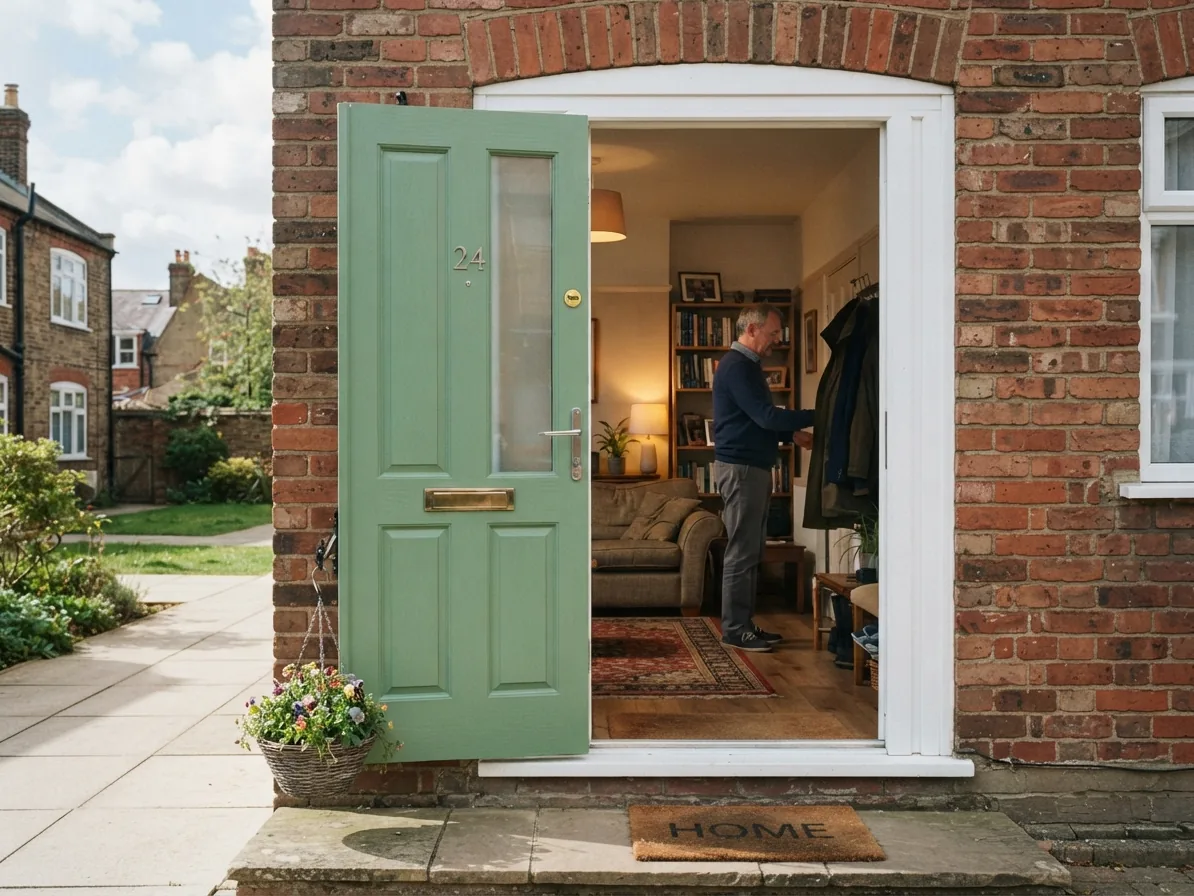
After moving between the streets and temporary accommodation, Michael eventually secured a permanent flat through a charity scheme following this approach. Rent is covered by his benefits, and the charity funds his ongoing care needs. “Since then it’s just been amazing,” he says, noting he has not returned to sleeping rough.
Michael’s success reflects a broader shift across England. In August, the government introduced a 442 million rough sleeping programme aimed at getting people off the streets and into long-term accommodation. The initiative is expected to provide more than 1,000 settled homes over the next three years. It includes a specific 178 million allocation for councils to acquire existing properties, restore empty buildings, and construct new housing.
Positive results from regional pilots
The strategy is backed by strong data from large pilot schemes launched in 2018 across Greater Manchester, Liverpool, and the West Midlands. Researchers found that 92 percent of participants were still living in long-term accommodation after a year. Furthermore, the number of participants reporting they felt often or always lonely dropped from 35 percent to 16 percent, while GP registrations climbed from 60 percent to 92 percent.
Mental health practitioner Costanza Barbieri explains that providing a secure home first allows individuals to genuinely address their wellbeing. “There’s a real shift in focus towards wellbeing these days, whereas in the past it wasn’t given much consideration – as if a person was capable of coping with their depression or stress by simply setting aside the environment in which they live, as if not having a home, sofa surfing, or living with a family of five in a studio flat could simply be brushed aside,” she explains.
Francesca Albanese, executive director of policy and social change at Crisis, emphasises the broader societal benefits of stable accommodation. “The results clearly show that when stable housing is prioritised, we see reduced pressures on emergency services, A&E departments and the criminal justice system. It’s also a far better way of spending money – directing it towards ending homelessness instead of managing it,” she notes.
Expanding the model
While the long-term approach demonstrates clear benefits, securing enough available housing remains an ongoing obstacle for expanding the initiative. Discussing the government’s latest investments, Cllr Anthony Okereke highlighted the need to build on the momentum. “Alongside this welcome investment, we need a sustained focus on prevention and housing supply,” he states.
For individuals like Michael, the impact is immediately tangible. He has furnished his new flat, building some of the pieces himself, and no longer worries about an approaching end to a short-term tenancy. “After three years of uncertainty, it was just nice to know I don’t have to worry about it anymore. I’ve got stability now,” he explains. “The best thing about this is you’ve got someone to help you and you can feel stable.”