

Key Takeaways
- Florida scientists successfully used temporary underwater shades to protect two species of brain coral from extreme heat and UV damage.
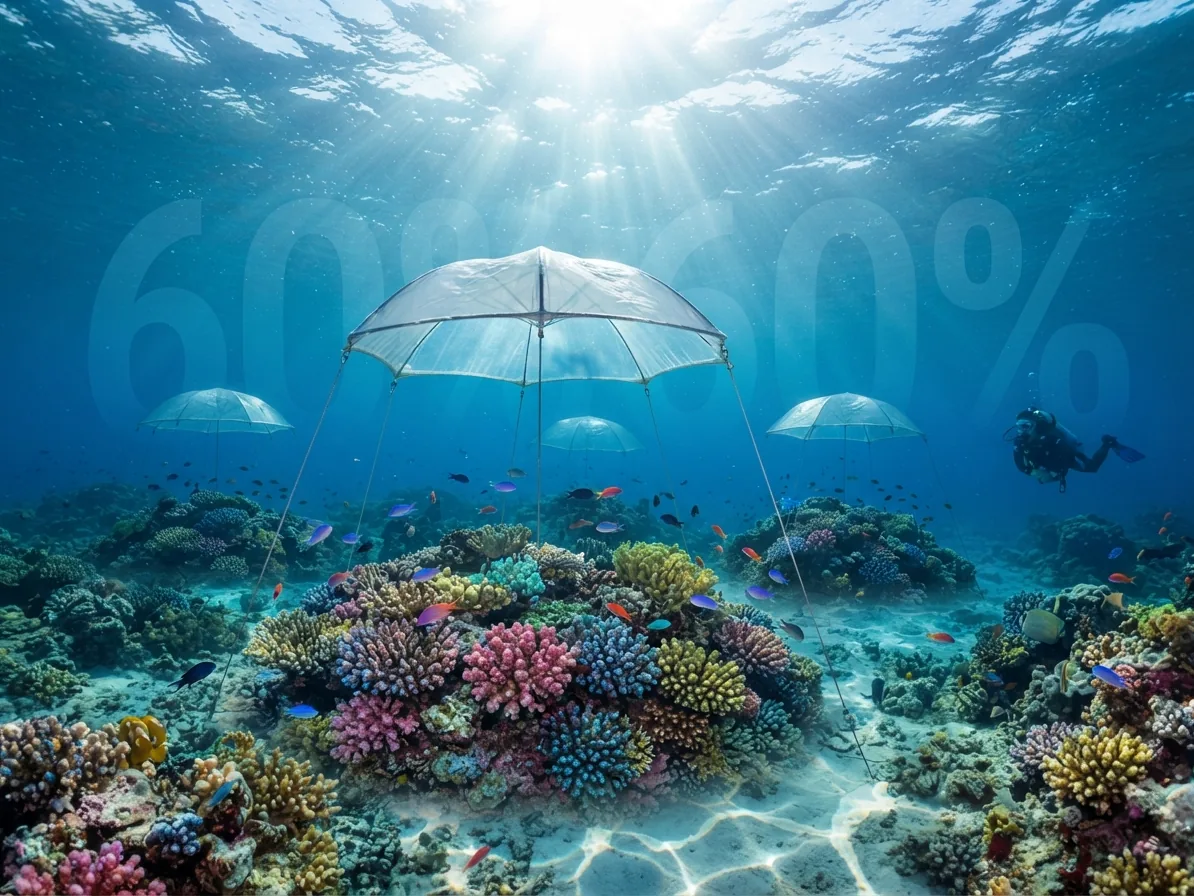
- The nylon and PVC parasols reduced light by 60 percent, helping the corals retain and even regain their color during a severe marine heatwave.
- “We found it was effective on two highly-susceptible coral species, so it is likely to be useful for most others”, the lead study author stated.
Innovative sunshades protect marine life
Florida scientists have discovered an encouraging method to protect vulnerable coral reefs from severe heat and partly reverse the damaging effects of bleaching. By deploying temporary underwater shades over specific Caribbean corals, researchers mitigated the harmful impact of soaring sea temperatures. The protective devices block out ultraviolet rays and irradiance damage, which typically exacerbate the heat stress that causes corals to lose their color and starve.
Led by Dr. Karen Neely of Nova Southeastern University, the team aimed to address the severe damage witnessed in recent years. “The 2023 coral bleaching event in Florida essentially wiped out branching corals, and at some inshore sites had a devastating impact on brain corals”, she explained. “This study stemmed directly from that event: we wanted to provide proof of concept for tools to save targeted corals in similar future events.”
Testing the underwater umbrellas
During the summer of 2024, the research team installed twenty custom-made shades over colonies of two brain coral species in the Florida Keys. Constructed from nylon fabric and PVC pipe, these parasols were tethered to the seabed and floated just above the corals, successfully reducing light exposure by 60 percent. Divers monitored the sites at Newfound Harbor every two weeks, comparing the protected colonies to twenty matching control corals.
Despite the area experiencing its second-highest heat stress on record, the shaded corals demonstrated remarkable resilience by losing less color than anticipated. The intervention proved highly successful, with no dead coral reported. “Shaded corals even recovered some of their color, after the shades were installed.”
Hope for future coral conservation
While the shading method requires further research to scale up effectively, the initial results offer a strong foundation for targeted conservation efforts. “We found it was effective on two highly-susceptible coral species, so it is likely to be useful for most others”, Dr. Neely concluded. By offering a practical tool to shield reefs during intense thermal stress, scientists hope to preserve the vital symbiotic relationship between corals and their colorful, nutrient-providing algae.


