

Key Takeaways
-
Scientists engineered a two-part molecule that forces a cancer-promoting protein to activate cell death rather than tumor growth.
-
In laboratory tests, the treatment completely eliminated aggressive human lymphoma tumors in mice within 11 days.
-
The breakthrough strategy of "molecular rewiring" could eventually be adapted to treat other cancers and autoimmune diseases.
Rewiring cancer cells to self-destruct
Researchers at Stanford Medicine have developed a groundbreaking strategy that forces cancer cells to trigger their own demise. By engineering a unique two-part molecule, the team successfully turned a major driver of B-cell lymphoma against the very tumors that rely on it for survival.
Diffuse large B-cell lymphoma, a common blood cancer, is frequently driven by a protein known as BCL6. In a healthy immune system, BCL6 temporarily suppresses cell-death genes to allow immune cells to multiply and fight off threats. However, in lymphoma, the protein gets permanently stuck in the “on” position, allowing malignant cells to endlessly multiply. Rather than simply attempting to block this protein, the researchers set out to aggressively activate the dormant cell-death genes.
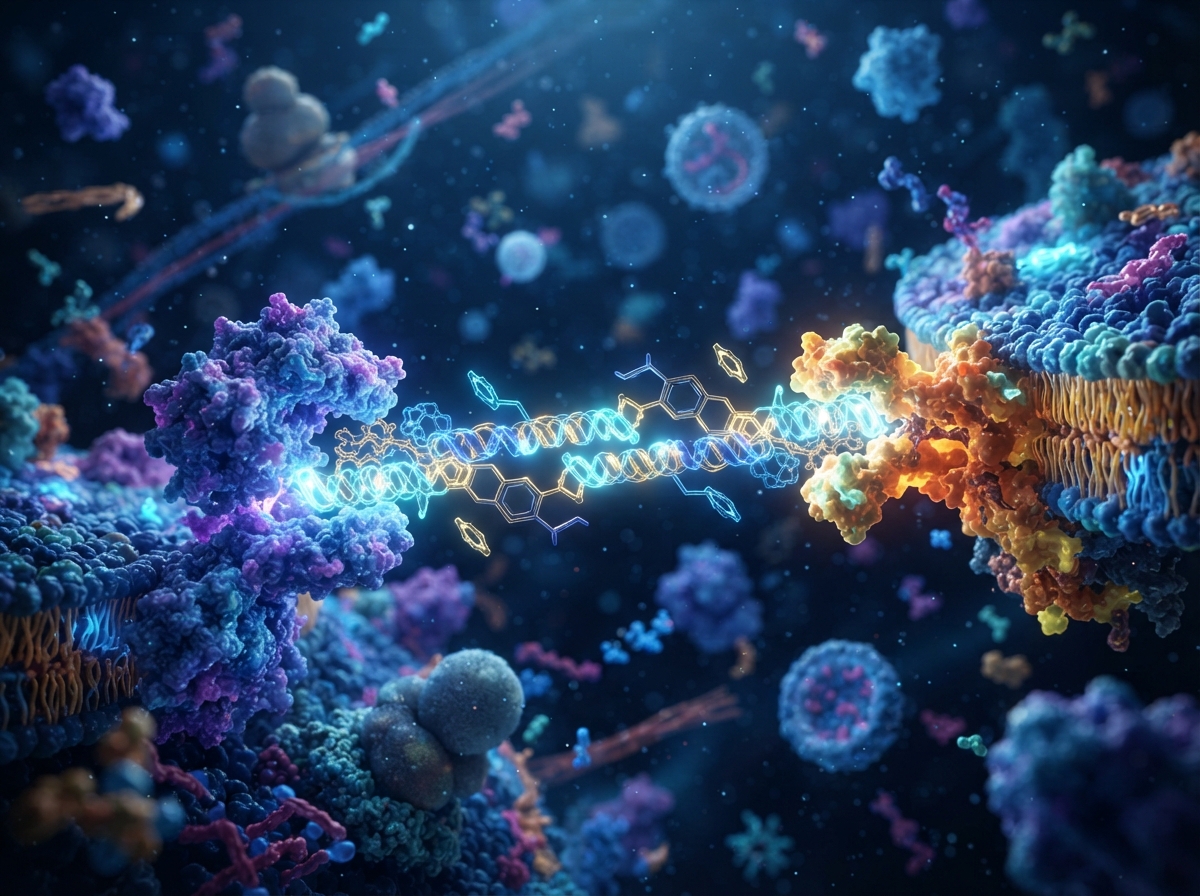
To achieve this, the team created an experimental compound called TCIP3 that functions much like a two-sided key. Utilizing an innovative technique called chemically induced proximity, the molecule binds to the BCL6 protein on one side, while the other side attaches to proteins that add specialized chemical tags. Acting as a “molecular glue,” this combination effectively rewires the cancer cell’s internal machinery, transforming the tumor-driving protein into a potent kill switch.
The results in laboratory tests have been highly encouraging. When tested in mice implanted with human lymphoma cells, a twice-daily treatment of TCIP3 caused aggressive tumors to completely disappear within just 11 days. Importantly, the treated mice exhibited no obvious signs of toxicity or elevated inflammation.
While the compound still requires further refinement and testing before it can enter human clinical trials, the broader implications of this research are incredibly promising. Scientists believe this molecular matchmaking approach could eventually be adapted to target other types of cancer, as well as certain autoimmune diseases like rheumatoid arthritis, opening the door for a new generation of targeted medical treatments.


