

Key Takeaways
-
A personalized adjustment to the angle of your feet while walking can redistribute body weight and significantly reduce knee osteoarthritis pain.
-
Participants in a year-long clinical trial experienced pain relief comparable to medication, alongside MRI evidence of slower cartilage deterioration.
-
Future technologies, such as smartphone cameras and smart shoes, could soon make this personalized physical retraining easily accessible from home.
Stepping into a pain-free future
For millions of people living with knee osteoarthritis, finding relief often means relying on daily medications or bracing for eventual joint replacement surgery. However, an innovative clinical trial has revealed a surprisingly simple, natural alternative: changing the way you walk.
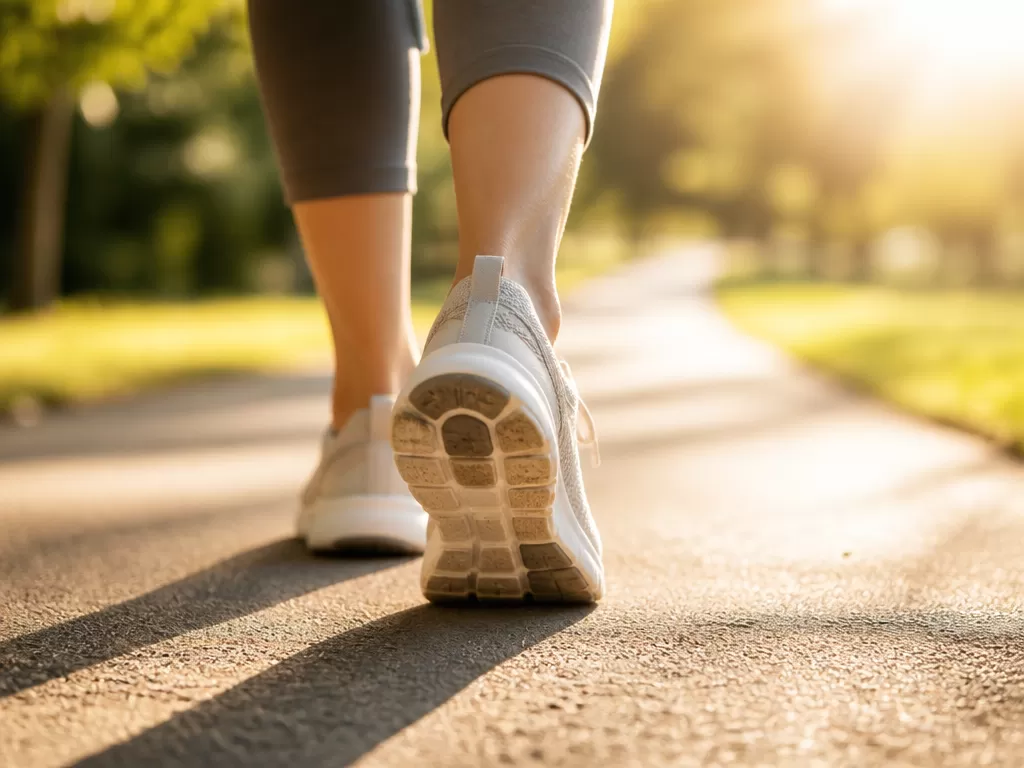
Scientists have discovered that making a personalized adjustment to the angle of your feet—turning the toes slightly inward or outward—can effectively redistribute the body’s weight and significantly reduce pressure on the damaged, vulnerable parts of the knee joint. In a comprehensive year-long study, individuals who adopted this tailored walking technique reported a substantial decrease in knee pain. Excitingly, the level of pain relief rivaled the benefits of commonly used medications, all without a single pill or invasive procedure.
Training the brain and the body
The secret to this non-invasive strategy is a method known as personalized gait retraining. During a six-week training phase, participants walked while wearing a small biofeedback device on their shins. Whenever their foot angle deviated from their newly prescribed optimal position, the device provided a gentle, vibrating reminder. This real-time feedback helped participants build a natural, lasting habit, allowing them to maintain the new walking pattern effortlessly during their daily lives.
The long-term results were remarkably positive. Over 90% of the participants who received personalized gait retraining experienced a clinically meaningful reduction in everyday pain. Furthermore, advanced MRI scans revealed highly encouraging signs: the new walking style appeared to slow the deterioration of knee cartilage, suggesting that the adjustment doesn’t just mask pain, but actively protects the joint from further damage.
Accessible relief on the horizon
While the original trial utilized sophisticated laboratory equipment to pinpoint the perfect foot angle for each person, researchers are optimistic about making this treatment widely accessible. Innovators are already exploring how everyday technologies—like smartphone cameras, artificial intelligence, and motion-sensing “smart shoes”—could soon analyze walking mechanics and deliver biofeedback directly to patients in their own homes.
This biomechanical breakthrough offers a beacon of hope for a drug-free way to manage osteoarthritis. By empowering people to adjust their daily strides, years of pain could eventually be replaced with comfortable, confident, and independent movement.


