

Key Takeaways
-
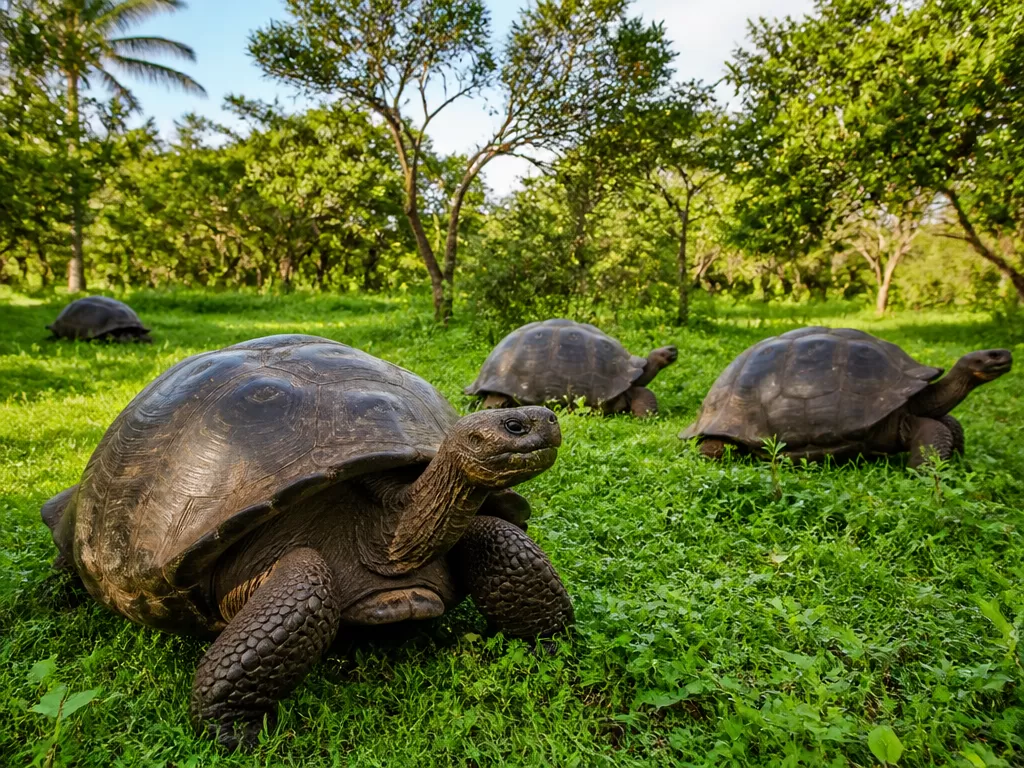
A recent survey estimates that roughly 180,000 giant tortoises are now living on the Aldabra Atoll.
-
The species has made an incredible recovery since the 19th century, when exploitation reduced their numbers to fewer than 1,000.
-
Conservationists are focusing on mitigating future threats, such as invasive predators and climate change, to protect the population.
A historic conservation success for Aldabra’s giant tortoises
A landmark survey has revealed that the giant tortoises on the Seychelles atoll of Aldabra are flourishing, with the population reaching approximately 180,000. This record-breaking figure is a remarkable jump from the widely cited estimate of 100,000 in the late 1990s and represents one of the greatest conservation success stories in the Indian Ocean.
The research, analyzed from five years of tortoise counts between 2018 and 2022 and published in the journal Ecology and Evolution, shows a stable and thriving population of adult and sub-adult tortoises. During the 19th century, heavy exploitation had decimated the species, leaving fewer than 1,000 individuals on the island. The turnaround began when the area was designated a strict nature reserve in 1981 and later a UNESCO World Heritage site.
Aldabra Atoll remains one of only two locations on Earth where giant tortoises roam freely in the wild. While the current numbers are a massive victory for conservationists, researchers are remaining vigilant. Future efforts will focus on tracking the impacts of changing climates and eradicating invasive predators like feral cats and rats, ensuring these majestic reptiles continue to prosper for generations to come.


