

Key Takeaways
-
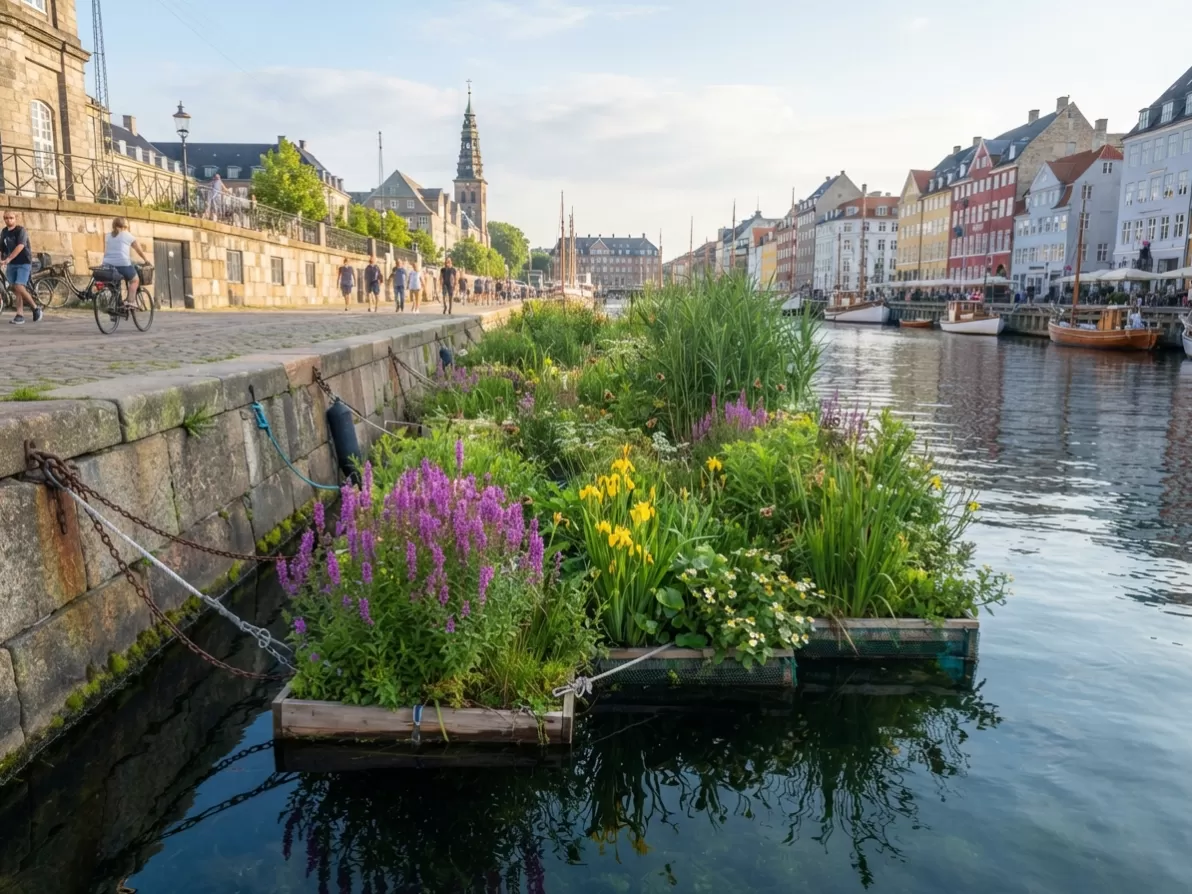
Modular floating wetland platforms built from recycled materials are reviving urban biodiversity in Bristol Harbour.
-
Planted with over 20 native species, the beds create habitats for birds and pollinators while roots filter water pollutants below.
-
The initiative forms part of a wider effort aiming to introduce 200 wetland projects into urban environments.
Revitalizing urban waterways through floating nature sanctuaries
Urban waterways are finding new life thanks to an innovative conservation initiative in Bristol Harbour. Environmental advocates and volunteers have launched modular floating wetlands designed to transform concrete embankments into thriving ecological corridors.
Constructed from recycled and biodegradable materials—including repurposed drinking water pipes and coconut husks—the floating platforms measure 100 square meters and 16 square meters. Each platform is topped with buoyant clay pellets to form a stable bed and planted with more than 20 varieties of native vegetation.
These floating islands deliver benefits both above and below the surface. Above the waterline, the lush greenery offers safe nesting areas for birds and an oasis for pollinators. Beneath the surface, the extensive root systems filter out pollutants, regulate water temperatures, and provide shelter for marine life, all while assisting with flood resilience and natural urban cooling.
The impact was evident almost immediately after installation when a stranded young seagull successfully used a ramp to reach safety on the platform. Conservationists emphasize that older floating wetlands in the harbor are already teeming with fish, insects, and bird families, serving as a scalable model for an ambitious plan to establish 200 similar wetland spaces across urban regions.


