

Key Takeaways
-
A multi-year workplace study revealed that remote work fostered deeper interpersonal bonds and openness rather than isolating team members.
-
Everyday glimpses of personal life through video meetings improved psychological safety across diverse groups of employees.
-
Stronger empathy and connection empowered colleagues to seamlessly support one another and collaborate more effectively.
How working from home bridged social divides and fostered workplace empathy
While many feared that leaving traditional offices would erode team cohesion and weaken personal relationships, recent workplace research shows that remote work can actually bring teammates closer together. Over an extensive multi-year study involving hundreds of hours of observation and 275 in-depth interviews, researchers tracked employees shifting from in-person offices to remote settings and uncovered a refreshing outcome: heightened vulnerability, empathy, and authentic connection.
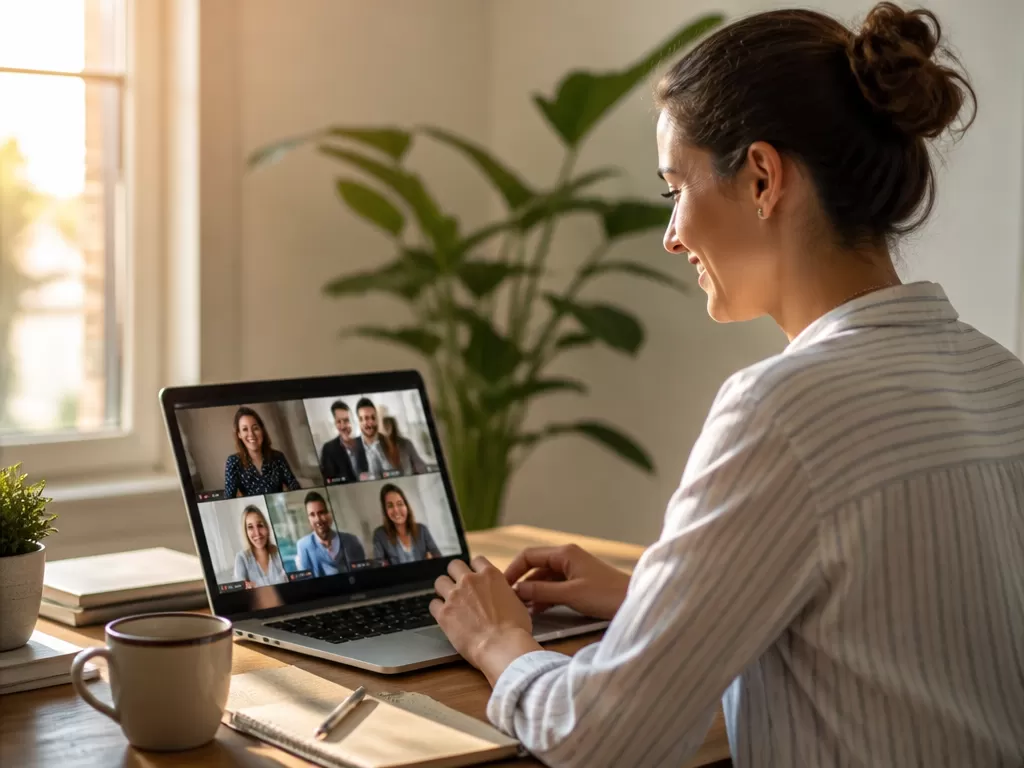
In standard corporate environments, employees often feel compelled to maintain a polished exterior, frequently keeping personal responsibilities and life stresses hidden from their peers. However, switching to home video calls offered natural glimpses into each other’s real lives—ranging from visiting pets and family background noise to shared photos of home-cooked meals. Rather than acting as mere disruptions, these shared glimpses prompted team members to understand one another as whole people and communicate on a much deeper level.
This increased openness fostered higher psychological safety, empowering workers to voice difficulties, admit mistakes, or ask for help without fear of negative judgment. In turn, colleagues began actively stepping in to support one another during personal challenges and family needs, ensuring projects stayed on track while mutual trust flourished. Far from isolating professionals, working from home has revealed itself as a powerful catalyst for compassionate and resilient teamwork.


