

Key Takeaways
-
Bleached corals on the brink of death fully recovered in a record seven weeks after brief physical contact with healthy genetic clones.
-
Connecting for just five to seven days allowed corals to fuse tissues and transfer enough beneficial algae to sustain independent recovery.
-
The introduced algae multiplied ten times faster than normal wild rates, unlocking promising new strategies for active reef restoration.
A breakthrough pathway for saving fragile marine ecosystems
In a groundbreaking discovery published in the journal Science Advances, researchers at Stanford University have found a way to reverse coral bleaching at unprecedented speed. Corals pushed to the brink of death returned to full health in just seven weeks simply by being placed in physical contact with healthy clonal fragments—marking the fastest documented recovery ever observed.
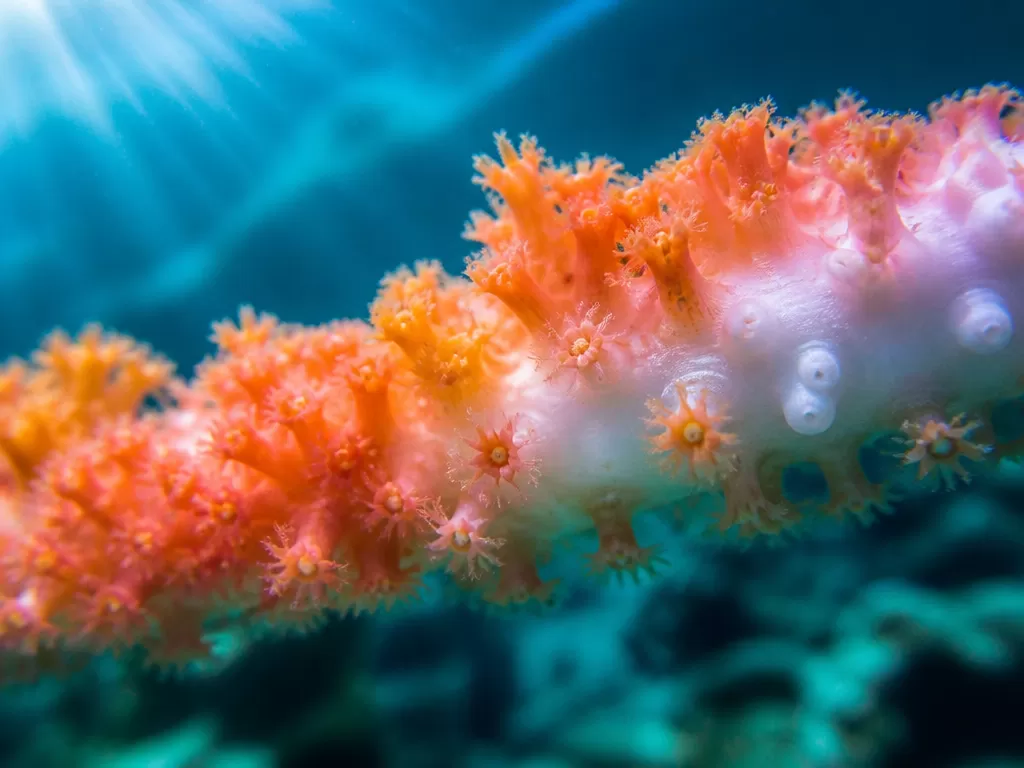
When ocean temperatures spike, corals under stress expel the beneficial microscopic algae living in their tissues. Without this symbiotic partner, they turn ghostly white, starve, and become vulnerable to fatal infections. However, marine biologists observed that because corals naturally multiply by producing genetically identical clones, touching fragments recognize one another and fuse their tissues. Microscopic channels align, creating an open conduit for the healthy coral to deliver essential nutrients and algae to its bleached sibling.
Remarkably, researchers found that continuous contact was not required. After only five to seven days of touch, the bleached fragments acquired sufficient algae to sustain their own recovery. Once inside, the algae divided rapidly, doubling every four days—roughly ten times faster than rates typically observed in the wild. The study offers renewed hope for global reef restoration, proving that severely bleached corals are far from a lost cause.


