

Key Takeaways
-
Researchers discovered that deactivating the protein MTCH2 prompts cells to burn more fatty acids and consume additional energy.
-
Experiments showed that switching off this protein reduced the formation of new fat cells by up to 90 percent in cell models.
-
Animal trials revealed that targeting MTCH2 protected against diet-related weight gain and improved metabolic markers without decreasing food intake.
A promising new path for metabolic health
Researchers have identified a cellular protein switch that could transform how science approaches weight management and metabolic wellness. Known as MTCH2, or "Mitch," this protein influences whether cells store incoming energy as fat or burn it off as fuel. By turning this molecular switch off in laboratory studies, scientists observed that human cells dramatically stepped up their fat burning, while precursor cells largely stopped developing into new fat-storing cells.
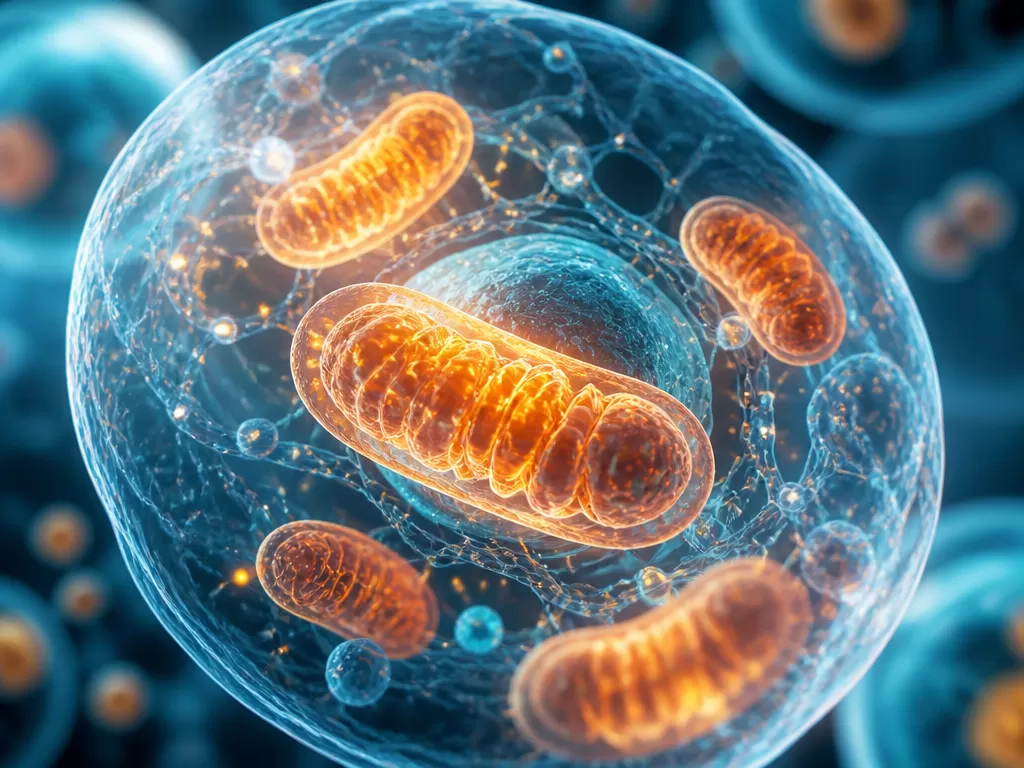
The breakthrough centers on mitochondria, the microscopic energy powerhouses inside our cells. MTCH2 plays a vital role in coordinating how mitochondria fuse and operate. When the protein is disabled, the mitochondrial network shifts into a more demanding, energy-intensive state. To keep up with this heightened energy need, cells begin consuming greater amounts of fuel, specifically breaking down fatty acids that would otherwise remain stored in bodily tissue.
In laboratory models examining fat tissue development, removing MTCH2 led to a dramatic drop in the creation of new mature fat cells. In control conditions, between 80% and 90% of precursor cells matured into fat-storing cells, but among cells lacking the protein, that figure fell to just 5% to 10%. Follow-up investigations showed that the protein also interacts with CPT1, a crucial enzyme checkpoint that regulates how fats enter mitochondria to be burned.
Animal studies have demonstrated encouraging whole-body benefits. Mice engineered without the protein in their fat or muscle tissues proved highly resistant to diet-induced obesity, maintaining healthy body compositions, improving their blood glucose control, and showing enhanced muscular endurance—all while eating regular amounts of food. While existing weight-loss medications work mainly by curbing appetite and can sometimes lead to a loss of lean muscle mass, targeting metabolic energy expenditure could one day offer a viable way to trim fat while safeguarding essential muscle tissue.


