

Key Takeaways
- Nearly 1,000 residents in Gruver, Texas, donate their labor across 640 acres of school-owned farmland to fund scholarships.
- The 15-year collaborative project has delivered 3 million dollars in college assistance from spring corn and winter wheat harvests.
- Troy Seagler praised the town’s spirit, noting, “It is unbelievable, the fact that the community will be willing to do this,” as graduates return to establish businesses and carry on farming.
A Texas panhandle tradition turning community crops into college dreams
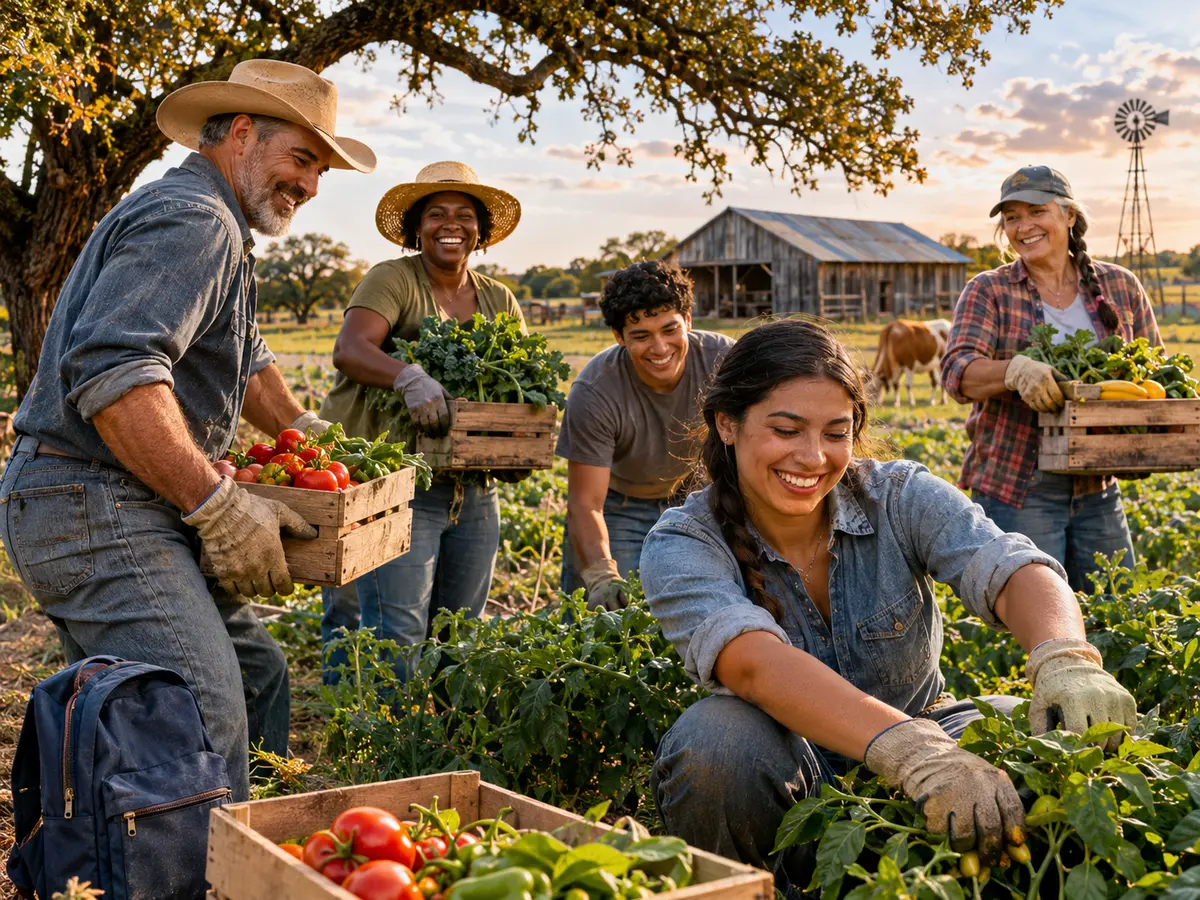
In the small agricultural town of Gruver, Texas, local farmers and community members are pooling their labor across 640 acres to send neighborhood youth to college. The initiative, running for 15 years, has generated 3 million dollars in academic aid by cultivating and selling seasonal harvests.
The land itself was originally bequeathed to the local school district back in 1984 by a longtime local landowner rather than being left to a private trust or family members. For many years, the district leased the acreage to cover basic classroom needs such as textbooks and chemistry supplies, before local leaders reimagined its potential around 15 years ago.
Cultivating seasonal harvests for academic aid
Under the community initiative, nearly 1,000 residents contribute unpaid work across a rotation of spring corn and winter wheat crops, directing proceeds straight into a dedicated scholarship fund.
“We just treat it like it’s ours—like it’s another one of our farms,” local farmer Derik Grotegut explained regarding the communal effort.
To support the endeavor, a feed yard located in Gruver purchases the harvested crops at a premium rate, maximizing the revenue returned directly to student scholarships.
Rewarding effort and building a community future
The program rewards students who participate in community service, extracurricular activities, and maintain strong academic standing with a larger share of the harvest returns. In its initial 10 years, the project helped 48 students become the first individuals in their families to go to college, with annual harvests bringing in roughly 400,000 dollars.
“It is unbelievable, the fact that the community will be willing to do this,” remarked Troy Seagler, a former principal at Gruver High School who helped originate the concept.
The investment continues to enrich the local area, as numerous graduates return with degrees in hand to start new businesses, fill local jobs, or take up farming on local land.