

Key Takeaways
-
Bristol-based clothing brand Yes Friends has raised more than £56,000 for garment workers through a direct tipping scheme and living-wage premium.
-
The company secured a £20,000 investment to help expand its mission of making ethical fashion accessible to a wider audience.
-
The business model demonstrates that providing fair wages and using organic materials can be achieved without heavily inflating consumer prices.
Challenging the fast fashion model with affordable sustainability
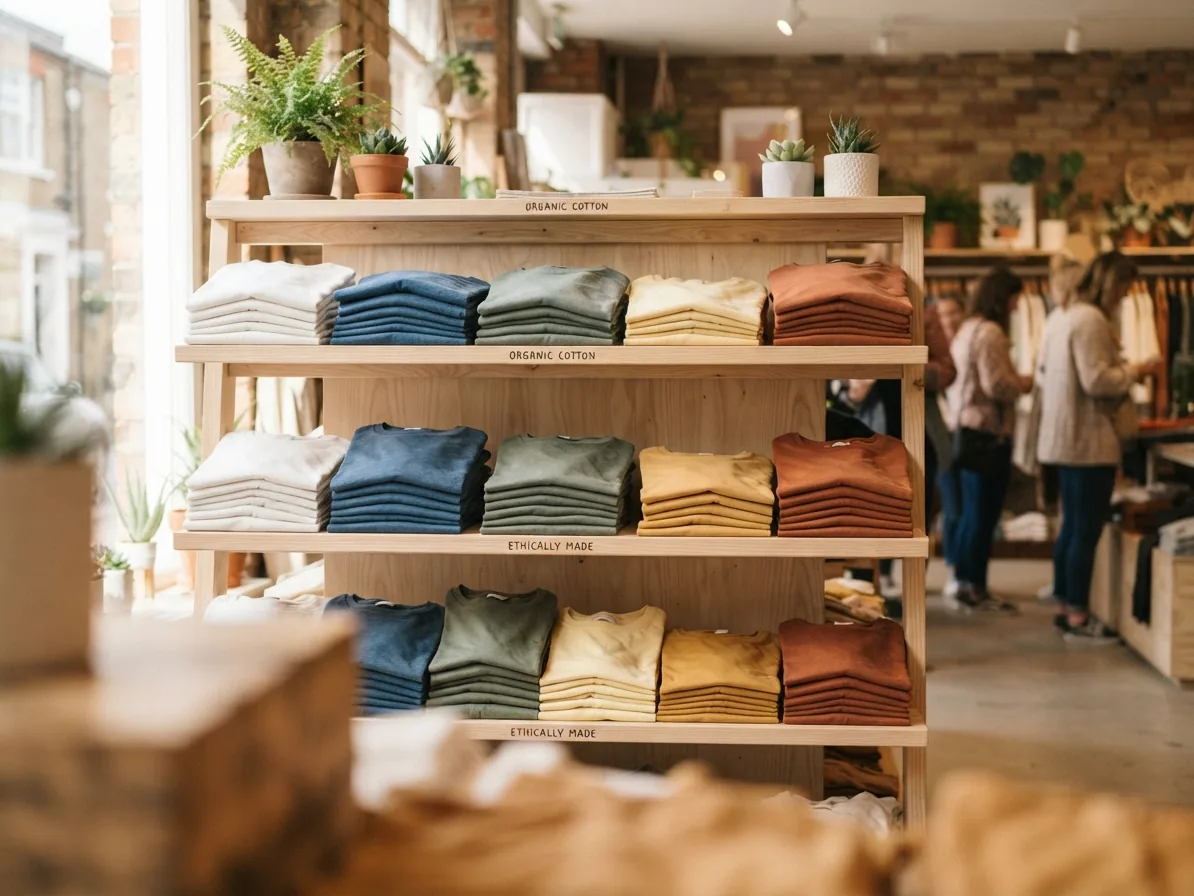
For decades, accessible fashion has often been synonymous with low wages, rapid production, and a disposable mindset. However, Bristol-based clothing company Yes Friends is actively proving that sustainability and ethical practices can go hand-in-hand with affordability. Launched in 2021 with a simple £7.99 ethically made T-shirt, the brand has since broadened its collection to include everything from underwear to corduroy jackets while maintaining a strict focus on worker rights and low-impact production.
“There’s a big myth going around the fashion industry that it’s expensive to make ethical clothing,” says founder Sam Mabley. “We’re running a profitable business selling ethical clothing at affordable prices so I think we’ve proved that it doesn’t need to be expensive.”
A cornerstone of the brand’s commitment to fair compensation is its innovative tipping scheme, which allows customers to add a monetary tip at checkout that goes directly to the people making the garments. Combined with a living-wage premium, this initiative has successfully generated more than £56,000 for garment workers.
“We’ve only really put into practice what all the research has been saying, it’s not news to the industry that it’s affordable to pay living wages, that’s not a radical thing to say,” Mabley explains. “Every brand should be doing it, regardless of price point.”
Gaining national support
The company’s impactful model recently caught the attention of prominent investor Deborah Meaden, who provided £20,000 in funding in exchange for a 2 percent stake in the business. The investment arrives as municipalities and nations, including France and the city of Bristol, begin to scrutinize and limit the advertising of environmentally taxing fast fashion.
“I was quickly impressed by both the high quality of the clothing and the impact that Yes Friends has already had, and knew this was a business I wanted to be a part of. I’m excited to see the brand continue to transform the fashion industry,” Meaden shares.
Looking ahead, the brand plans to utilize this new expertise and funding to reach a larger audience and encourage a more circular fashion ecosystem. Currently utilizing Fair Trade and Global Organic Textile Standard certified cotton, the company hopes to inspire broader systemic improvements.
“We want to be the brand at the forefront of championing change across the industry and working with other brands to do that as well, because we’re very aware that one brand is not going to do it on their own, it’s going to be brands together,” Mabley says.