
Key Takeaways
-
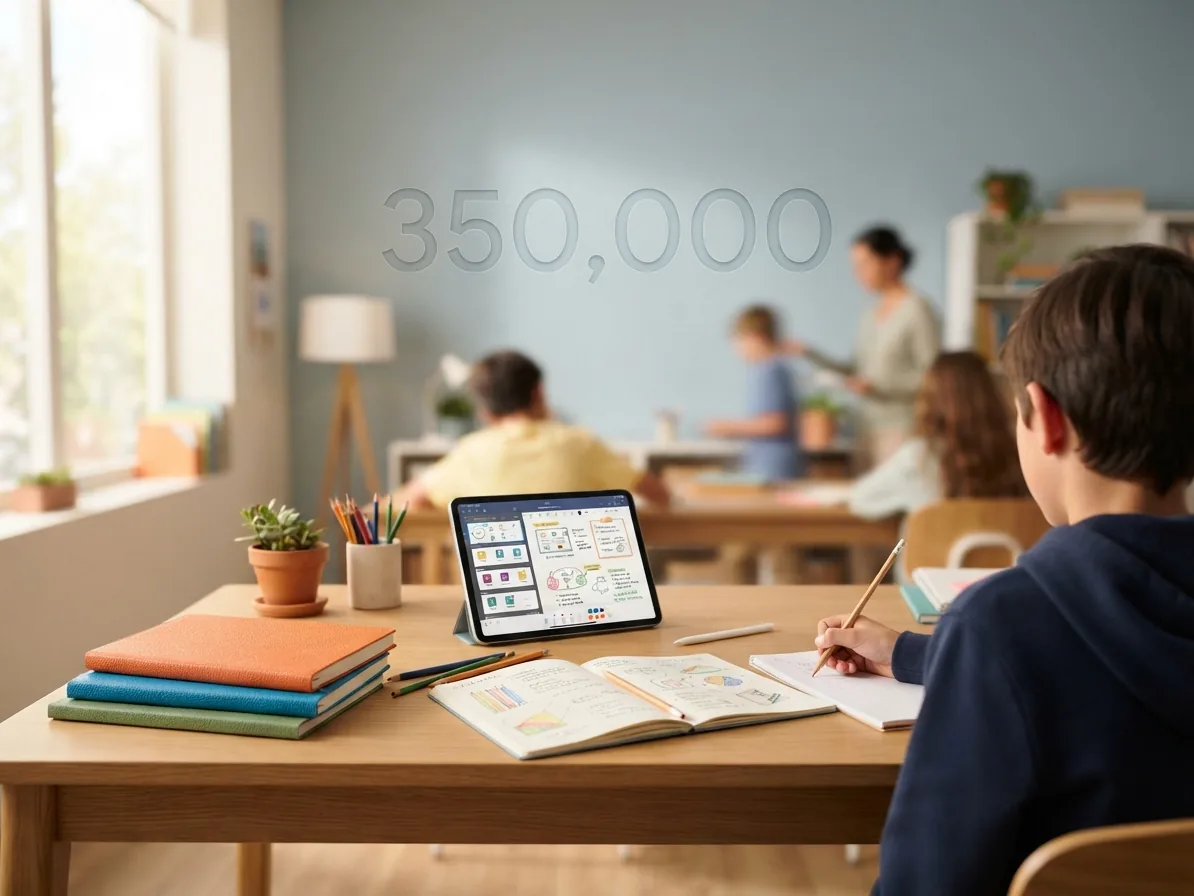
Over 350,000 students in Italy have certified learning differences, highlighting a positive increase in early and accurate diagnosis.
-
Tailored accommodations like voice synthesis and extra time empower students to learn effectively and showcase their natural creativity.
-
Prominent figures like Agatha Christie and Steven Spielberg demonstrate how alternative ways of processing information can lead to extraordinary career success.
A proactive approach to educational support
For many students, managing reading assignments or navigating mathematical problems can present unique hurdles. However, experiencing a specific learning disorder does not indicate a lack of intelligence or dedication; rather, it highlights an alternative way of processing information. Today, educators and families are increasingly recognizing these differences, transforming perceived obstacles into remarkable strengths.
Recent data from the Italian Ministry of Education reveals that over 350,000 students—about 6% of the student population—have certified learning differences. Dyslexia is the most frequently identified condition, accounting for 36% of cases, followed by dysorthographia at 23%, dyscalculia at 21.5%, and dysgraphia at 19.5%. Rather than indicating a growing problem, this upward trend in diagnoses is widely celebrated as a sign of improved awareness. Early identification allows schools and families to intervene promptly, ensuring students can experience education positively and reducing the risk of school dropout.
Tools that unlock creative potential
Supporting students with learning differences requires a shift in perspective. Instead of focusing solely on challenges, modern educational approaches emphasize individual capabilities and unique learning styles. Individuals with learning differences frequently develop alternative problem-solving skills, a strong global vision, and exceptional creativity that prove invaluable in both academic and professional settings.
Customized support tools play a crucial role in this process. Technologies such as voice synthesis, concept maps, and specialized software are not designed to offset a deficit, but rather to facilitate effective learning tailored to individual needs. Accommodations like additional time during written exams also provide a fairer environment for students to demonstrate their knowledge. Because there is no universal fix, finding the right combination of strategies for each student allows their natural abilities to shine.
Finding success through unique perspectives
History is filled with prominent figures who have leveraged their learning differences to achieve extraordinary success. Director Steven Spielberg discovered his dyslexia as an adult and channeled his visual storytelling skills into becoming one of cinema’s most acclaimed filmmakers. Similarly, celebrated author Agatha Christie struggled with manual writing but bypassed the hurdle by dictating her novels to a secretary, proving that narrative brilliance does not rely on motor skills.
Writer and producer Stephen J. Cannell, who lived with undiagnosed dyslexia during his school years, went on to create iconic television series like The A-Team by relying on voice dictation and proofreaders. Actor Tom Cruise, diagnosed with severe dyslexia at age 7, utilized his exceptional visual and auditory memory to master scripts and build a legendary career.
These stories illustrate that processing information differently can be a profound asset in the right environment. By fostering inclusive spaces that provide the right tools and acknowledge diverse abilities, society can help every student discover their path and allow their talents to emerge.


