

Key Takeaways
-
A newly developed tripeptide drug called DT-109 successfully reversed severe fatty liver disease in animal models by targeting the gut-liver axis.
-
The compound reinforces the intestinal barrier, curbing harmful bacteria and preventing toxic ammonia from leaking into the bloodstream to trigger liver inflammation.
-
Because the therapy shields cellular linings and dampens systemic inflammation, it may also offer therapeutic benefits for cardiovascular disease and inflammatory bowel conditions.
A transformative approach to healing the liver from the inside out
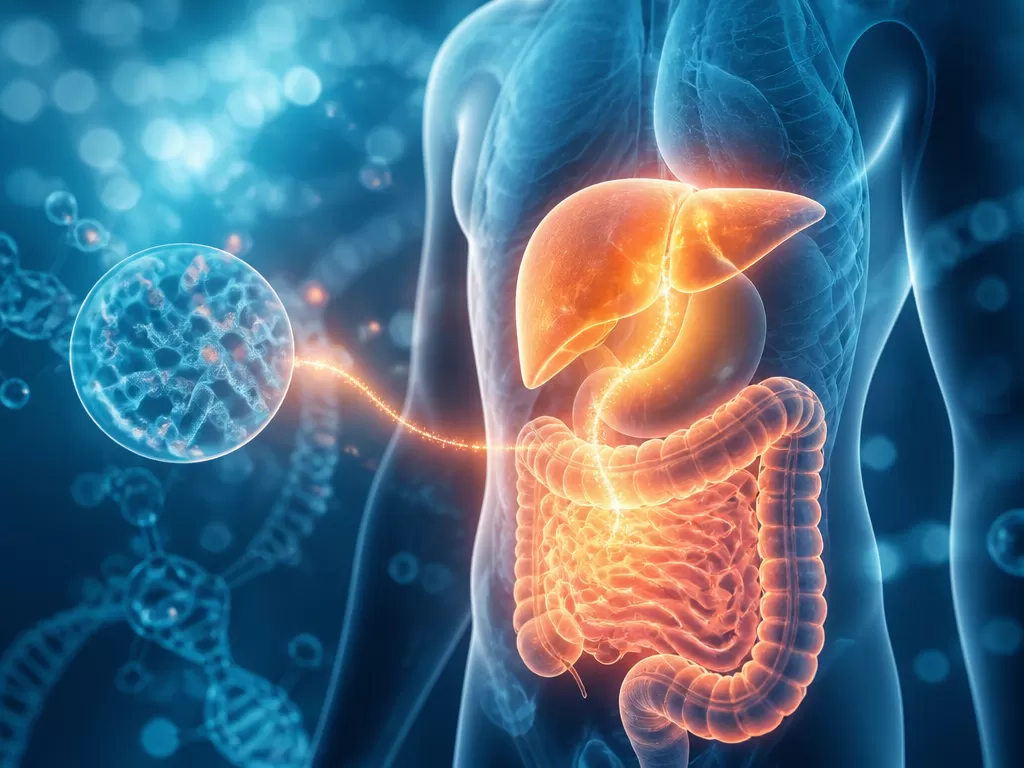
In an exciting breakthrough for metabolic medicine, researchers have developed an experimental compound that successfully reverses severe fatty liver disease in animal models by targeting an unexpected starting point: the digestive tract. The drug, a glycine-based tripeptide known as DT-109, achieved dramatic improvements in metabolic dysfunction-associated steatohepatitis (MASH) by repairing and restoring the gut’s natural protective barrier.
MASH affects an estimated 7% of the global population and is characterized by fat accumulation, chronic inflammation, and cellular injury that can ultimately progress to cirrhosis or liver failure. While conventional approaches attempt to target the liver directly, this new strategy focuses on the gut-liver axis. Researchers found that an overgrowth of the bacterium Clostridium perfringens produces excess ammonia, which damages the intestinal lining. Once this barrier is breached, inflammatory microbial compounds escape into the bloodstream and trigger severe immune reactions in the liver.
Remarkably, DT-109 acts primarily within the gastrointestinal tract to disrupt this cycle. In studies involving mice and nonhuman primates, the compound reduced harmful bacterial populations, lowered ammonia levels, and reinforced the intestinal barrier. This prevented toxins from traveling to the liver, resulting in a marked reduction in liver inflammation and tissue damage.
Beyond liver health, the ability of DT-109 to safeguard barrier tissues offers broader promise. Preclinical studies suggest it may help prevent arterial plaque buildup and blood vessel calcification, pointing toward potential combined benefits for cardiovascular and inflammatory bowel disorders as researchers prepare for future clinical trials.


