

Key Takeaways
-
Researchers discovered that a rare mutation in the fibronectin gene shields the brain's blood vessels in people with a high genetic risk for Alzheimer's.
-
The protective mechanism prevents excess protein buildup, keeping the blood-brain barrier intact and preventing damaging cellular inflammation.
-
Scientists can now design targeted preventative therapies that mirror this natural protection to safeguard cognitive health during aging.
Unlocking nature’s defense against cognitive decline
A remarkable biological discovery is offering fresh hope in the quest to prevent Alzheimer’s disease. For years, scientists have observed that certain individuals carry the APOE ε4 gene variant—one of the strongest known genetic risk factors for the condition—yet manage to remain mentally sharp and cognitively vibrant well into their 80s. Now, researchers have unveiled the mechanism behind this extraordinary resilience: a rare genetic shield that protects the brain’s critical blood vessels from deterioration.
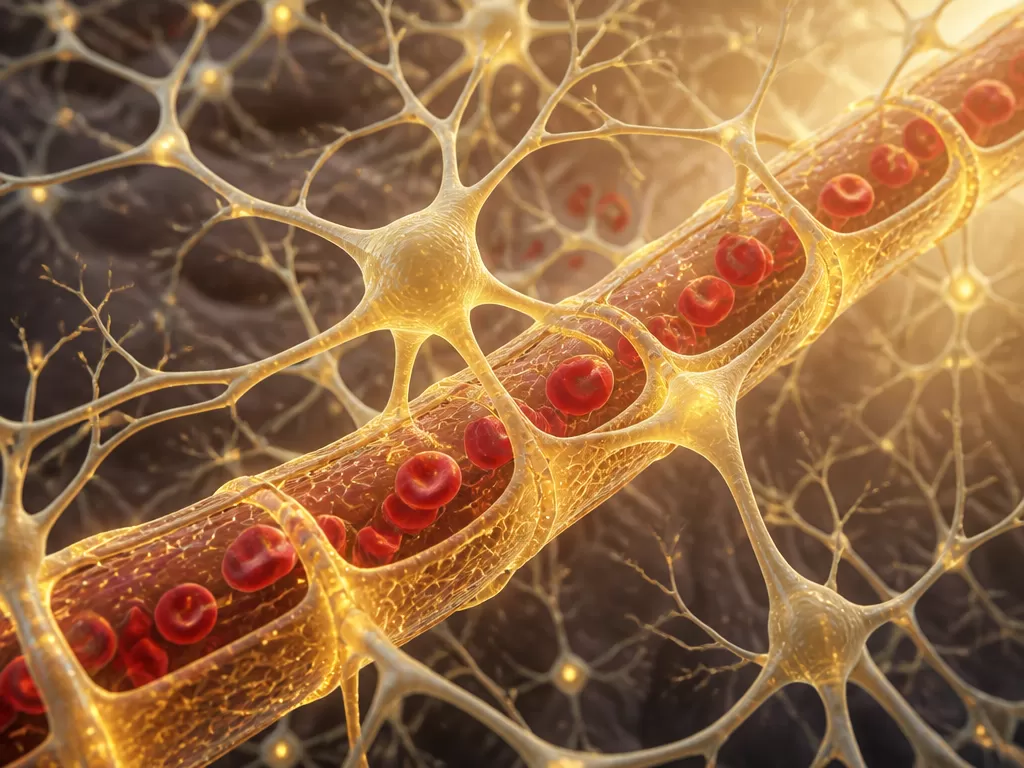
The protective factor centers on a mutation in the fibronectin (FN1) gene. Fibronectin is an essential structural protein found throughout the body, but in people carrying APOE ε4, excessive amounts often accumulate around cerebral blood vessels. This buildup damages the blood-brain barrier, a tightly regulated cellular wall that prevents harmful toxins and inflammatory molecules from entering delicate brain tissue. In people carrying the rare FN1 mutation, this toxic buildup is restrained, preserving the blood-brain barrier and keeping neural pathways healthy as they age.
By analyzing human brain tissue, fluid biomarkers, and advanced cellular models, researchers mapped the exact communication pathways that maintain this vascular barrier. They found that excess fibronectin disrupts the signaling networks between astrocytes and blood vessel cells, while reducing the protein or interrupting its signals effectively restores healthy barrier function. This clear molecular blueprint offers a promising foundation for developing therapies that recreate nature’s defense, potentially stopping vascular and cognitive damage long before symptoms ever appear.


