

Key Takeaways
-
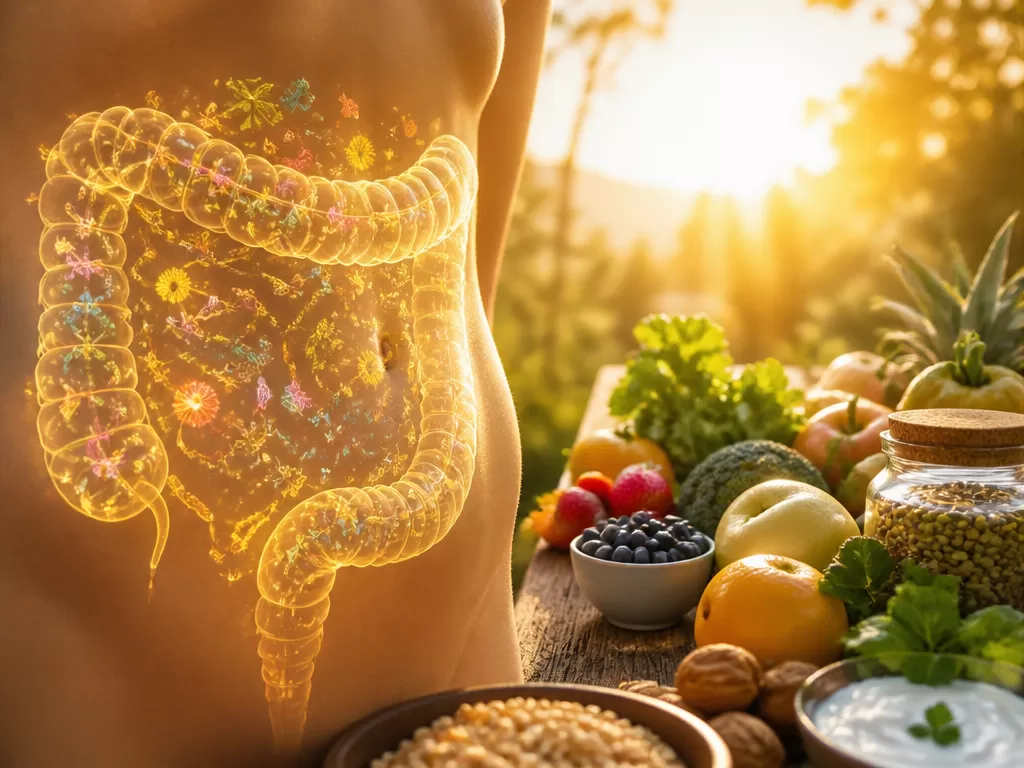
Differences in gut bacterial communities accounted for approximately 15% of the variation in biological aging rates.
-
Specific microbes such as Bifidobacterium adolescentis were strongly associated with slower biological aging.
-
Because the gut microbiome can shift in response to diet and lifestyle, the findings open new doors for personalized healthy aging strategies.
A microscopic key to healthier, longer living
Scientists have discovered an inspiring connection between the microorganisms thriving inside the human digestive system and the pace at which our bodies age. Researchers analyzing blood and stool samples from 123 adults found that differences in gut microbial communities accounted for roughly 15% of the variation in participants’ biological aging rates.
Biological aging reflects how rapidly cellular and molecular changes occur inside the body, independent of the chronological years marked on a calendar. Using DunedinPACE, an advanced molecular biomarker designed to measure this internal rate of aging, the research team identified specific bacterial species that correlate with how well the body preserves youthfulness. In particular, the beneficial bacterium Bifidobacterium adolescentis was strongly linked to slower biological aging.
What makes these findings especially hopeful is that, unlike our chronological age, the gut microbiome is highly dynamic. It responds continuously to everyday habits, including nutrition, lifestyle adjustments, and environmental factors. By highlighting the links between our internal microbial environment and biological resilience, this research points toward exciting future possibilities for personalized wellness interventions that help individuals age with greater health and vitality.


