
Key Takeaways
-
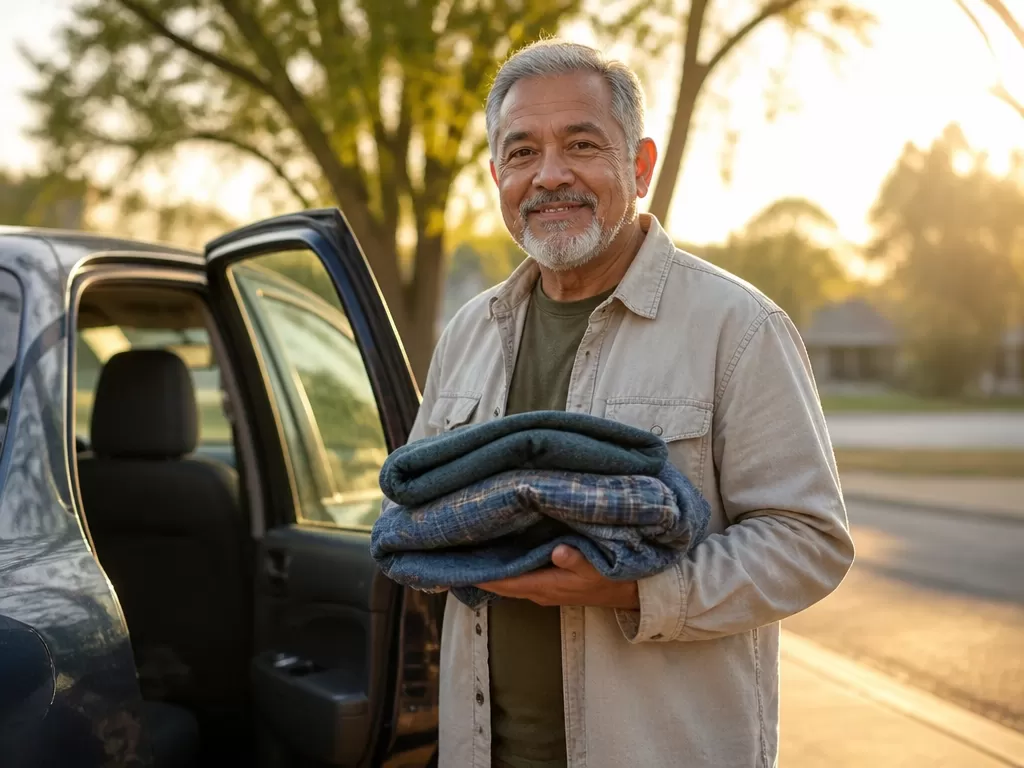
Freddie Nole and his wife, Sue, meet people as they leave prison, providing them with a warm meal, new clothes, a phone, and a ride.
-
Drawing from his own stressful reentry after entering prison in 1969, Nole works to restore dignity to people making the vulnerable transition home.
-
His outreach is featured in the documentary short 'The Second Life of Freddie Nole', and the couple has assisted more than 100 people to date.
A welcoming presence at the prison gates
For individuals stepping out of prison, the first moments of freedom can often feel daunting and isolating. To ensure no one has to face that transition by themselves, Freddie Nole and his wife, Sue, wait at the gates to welcome them back into society. They provide newly released individuals with a warm meal, properly fitting clothes, a mobile phone, and transportation to wherever they are headed next.
Nole understands the emotional weight of that first day from personal experience. Having entered prison in 1969, his return to society after decades away was overwhelmingly disorienting. Simple choices that most take for granted, such as selecting what to order from a restaurant menu, felt completely foreign. That experience inspired him to step in for others, firm in his belief that people who have lived through incarceration are uniquely equipped to support and guide those coming out.
His dedication is the focus of The Second Life of Freddie Nole, a documentary short directed by filmmaker Dana Nachman that follows Nole on a single-day pickup journey in Pennsylvania. Through his efforts, Nole and his wife have aided more than 100 returning citizens, instilling dignity through everyday care. The positive impact has even come full circle, with some of the men Nole originally welcomed now taking the initiative to pick up others upon their release.