

Key Takeaways
- Ashwin Chunchu, 17, developed StepSafe after remembering getting lost at age 7: “When I was 7, I got lost in a park at night, and a stranger helped me find my dad. I always wondered what would’ve happened if he hadn’t been there.”
- The cellular GPS device reached 100 percent of its CAD$20,000 crowdfunding target in 14 hours and eventually reached 350 percent of its goal.
- Designed without recurring monthly subscription fees, StepSafe includes permanently disabled microphones to safeguard classroom privacy and is expected to ship its first batch in February.
Turning a childhood memory into protection for vulnerable youth
Reflecting on a distressing evening during his childhood inspired 17-year-old Ashwin Chunchu to create a practical safety tool for families. “When I was 7, I got lost in a park at night, and a stranger helped me find my dad. I always wondered what would’ve happened if he hadn’t been there,” Chunchu explained.
Despite possessing no prior manufacturing experience, Chunchu channeled that early memory into developing StepSafe. The device is a clip-on cellular GPS tracker created to prevent children who wander—due to autism or another condition—from becoming lost. The initiative found rapid public support, achieving 100 percent of its initial CAD$20,000 fundraising target through 68 Kickstarter backers in just 14 hours, eventually surging to 350 percent of the goal.
Collaborative design built with parents
Chunchu developed the technology while attending high school by consulting regularly with families online. “I started StepSafe in high school, and parents on Reddit helped me build it. A mom in the US helped design how the band locks, and families kept telling me what their kids would and wouldn’t keep on. I didn’t know anything about manufacturing or certification when I started. I learned it one email at a time,” the young innovator said.
Conversations with parents revealed that many households were already coping with previous emergencies rather than hypothetical risks. “The first thing parents tell me is that wandering has already happened to them, and how fast it happens,” Chunchu stated. “The second is cost: most trackers built for this charge a monthly fee for years, so we made a version you pay for once.”
Features focused on safety and privacy
StepSafe operates through a paired smartphone application that lets parents configure geofenced safe boundaries around homes, schools, or playgrounds. Crossing beyond these perimeters triggers an immediate push notification and initiates live tracking. Parents can also define hazardous zones, such as roads or swimming pools—a vital consideration given that drowning causes 71 percent of deaths following wandering incidents among children with autism, according to data from the National Autism Association.
The system incorporates location history, live tracking, and an audible alarm that can be triggered remotely. Communication relies on a built-in rate-free LTE-M cellular connection rather than expensive recurring subscriptions. By contrast, a product Chunchu identified as the “market leader” charges CAD$720 to CAD$1,200 per year solely for its subscription service.
User privacy was another primary design parameter established during feedback sessions with educators. “Privacy came up early, especially from teachers who didn’t want a device that can listen in on a classroom,” Chunchu said. “So the microphone in StepSafe is permanently disabled, and the app stores nothing about the child beyond an optional nickname for extra privacy.”
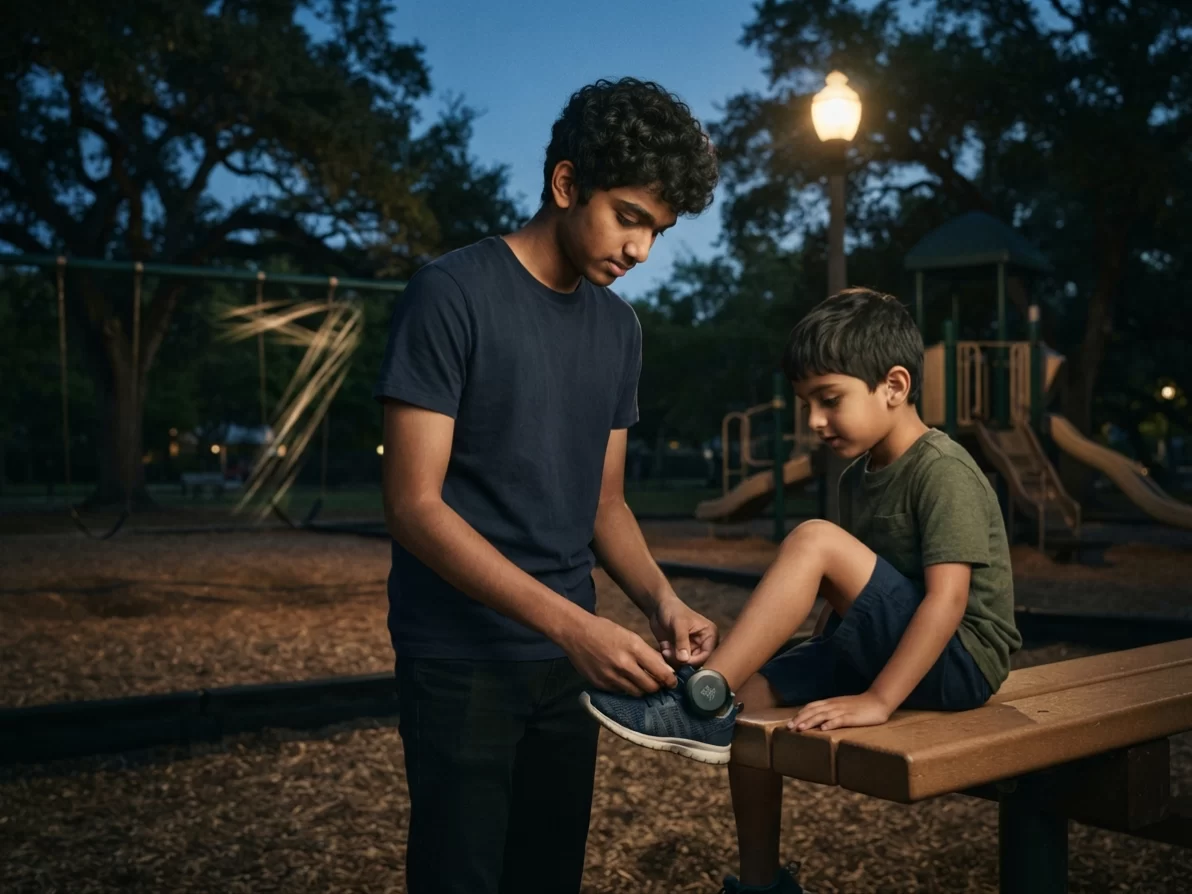
Currently offered as a keychain-style clip, StepSafe is set to expand into waistbands, wristbands, and anklets secured by magnetic locking mechanisms managed by parents. The initial production run is scheduled to be delivered to early supporters in February.