

Key Takeaways
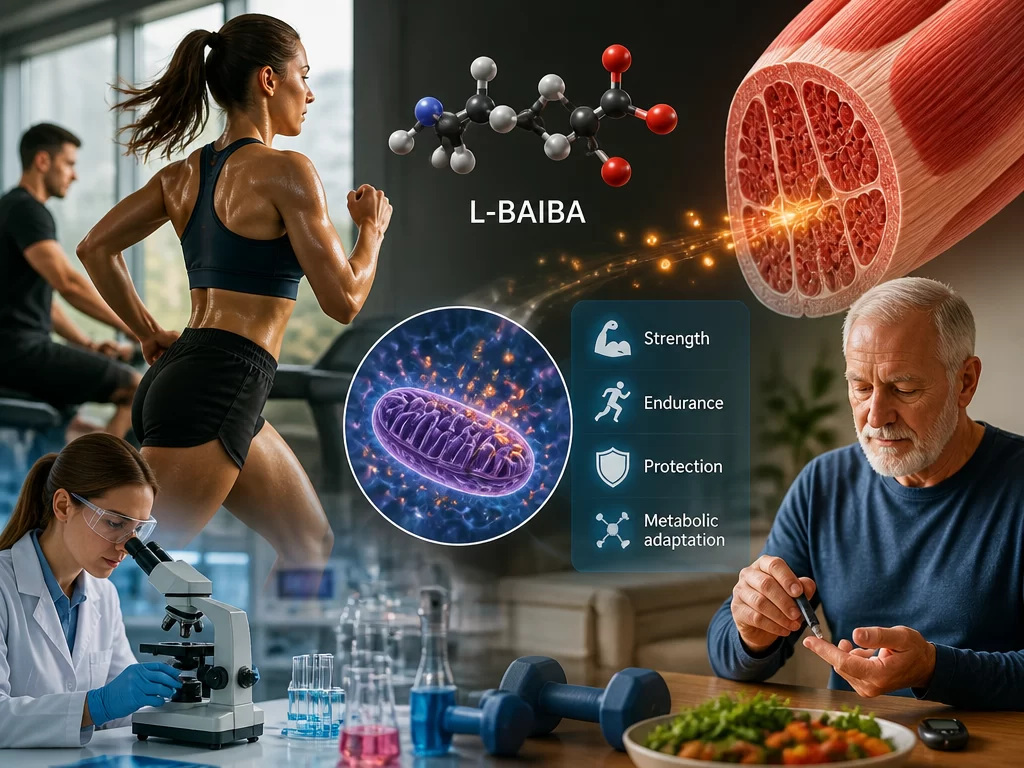
- Researchers found that L-BAIBA, a molecule released during physical activity, boosts muscle strength, endurance, and fatigue resistance.
- The compound helps protect muscle tissue from weakness and metabolic damage associated with type 2 diabetes.
- According to Anna Morris of Diabetes UK, “While these findings are still at an early stage, they could help shape future approaches that support people with type 2 diabetes to remain active and live healthier, longer lives.”
Unlocking the power of an exercise molecule
Scientists investigating the mechanisms behind physical activity have discovered that a naturally produced molecule, released during workout sessions, plays a vital role in strengthening muscles and shielding them from weariness and harm. The compound, known as L-β-aminoisobutyric acid or L-BAIBA, functions as an internal messenger that drives structural and metabolic adaptations in muscular tissue, potentially paving the way for therapeutic solutions to address muscle deterioration in type 2 diabetes.
Published in the journal Nature Communications, the study shows that L-BAIBA is a primary regulator of the physiological processes that enable muscular tissue to enhance strength, performance, and stamina following physical exertion. The research project, conducted by an international team spearheaded by the University of Leeds, received backing from Diabetes UK and the Biotechnology and Biological Sciences Research Council.
A double role in metabolism and strength
While the overall benefits of physical exercise are well documented, the biological pathways that facilitate tissue adaptation have remained partially unexplained. L-BAIBA had already garnered attention over a decade earlier when studies published in 2014 by Professor Lee Roberts showed that it boosts metabolic processes and assists the body in burning fat when exercising. The substance has since become available as a commercial dietary supplement.
The newest evaluation reveals that the molecule does far more than influence fat oxidation. It serves as an essential chemical signal bridging workouts with muscular evolution. Lee Roberts, Professor of Molecular Physiology and Metabolism at the University of Leeds, explained: “Our research identifies L-BAIBA as an exercise-induced signal that helps muscles adapt, improve their metabolic capacity and ability to contract, and ultimately enhances physical performance.”
Professor Roberts further noted: “This gives us exciting new insight into how exercise benefits the body and highlights a promising target for future therapies aimed at preserving muscle function in chronic conditions such as diabetes.”
Protection against type 2 diabetes complications
In addition to boosting physical performance, the researchers found that L-BAIBA shields muscles against the damage often caused by type 2 diabetes. The chronic condition can impair muscle mass, diminish strength, and disrupt energy processing, which significantly limits a person’s physical capabilities and quality of life.
Because staying active is an essential part of controlling the metabolic illness, managing muscle fatigue can help patients who otherwise struggle to sustain physical activity. Type 2 diabetes elevates risks of serious complications like strokes and heart attacks. Although historically diagnosed mostly in older individuals, its prevalence in patients under 40 years of age has been expanding at a faster pace than in older groups.
Potential therapies on the horizon
Health specialists hope that targeting these cellular mechanisms will lead to better clinical options. Anna Morris, Assistant Director of Research Strategy and Partnership at Diabetes UK, highlighted the practical challenges patients encounter: “Exercise plays an important role in managing type 2 diabetes, but for many people muscle weakness and fatigue can make staying active a real challenge.”
Morris added that “This research helps us better understand how muscles adapt to exercise and identifies a potential new target for improving muscle health.”
Highlighting the long-term outlook, Morris concluded: “While these findings are still at an early stage, they could help shape future approaches that support people with type 2 diabetes to remain active and live healthier, longer lives.”
The study involved collaborative work between researchers at the University of Leeds, Harvard Medical School in the United States, Newcastle University in the United Kingdom, Wageningen University in the Netherlands, and the University of São Paulo in Brazil. Investigators noted that further trials remain necessary to confirm whether dietary supplements containing L-BAIBA can yield meaningful clinical benefits for individuals with type 2 diabetes.