

Key Takeaways
-
Digital platforms enhance classroom socialization and creativity when guided by structured pedagogical programs.
-
Assistive technologies provide crucial support and inclusive environments for students with special educational needs.
-
Interactive projects help students across all cognitive levels actively participate and express themselves.
Merging the digital and physical classroom
As technological innovation continues to shape modern society, sociological studies are highlighting its positive impact on the educational landscape. Rather than causing social isolation, digital tools are proving to be powerful catalysts for creativity and collaboration when integrated with a structured pedagogical approach. By blending online and offline experiences, schools are discovering new ways to connect with students and prepare them for future professional environments.
Digital platforms provide rich opportunities for self-expression and socialization. However, the success of these technologies relies heavily on the presence of thoughtful educational programs and dedicated teachers. Educators play a fundamental role in guiding students to use digital platforms effectively, ensuring these tools are used to develop skills rather than simply acting as conveniences.
Championing digital inclusion for special educational needs
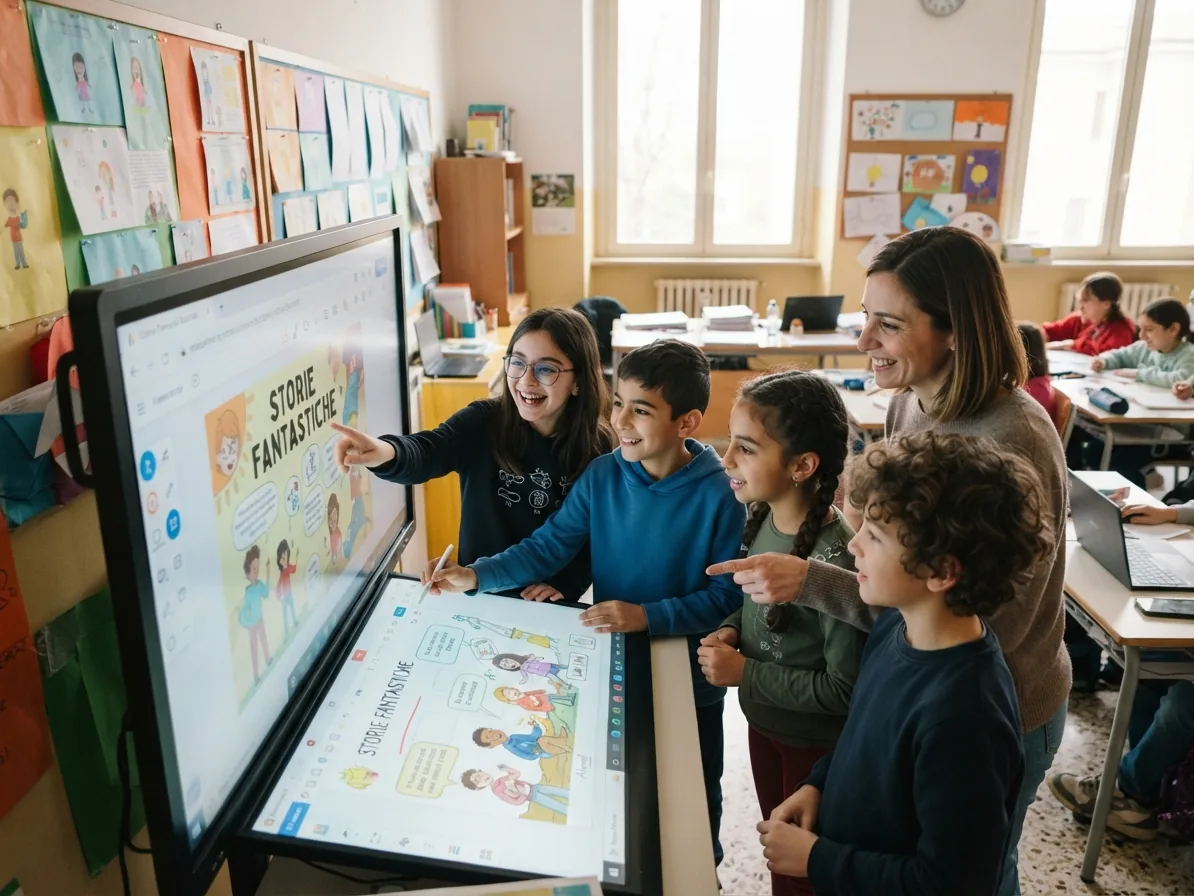
Assistive technologies are actively redefining the concept of school inclusion by creating tailored opportunities for all learners. Students with special educational needs, including those with motor limitations, autism spectrum conditions, or specific learning disabilities, benefit immensely from modern digital devices. Tools such as interactive multimedia whiteboards, controlled virtual reality environments, and digital compensatory aids allow students to develop social skills safely and participate fully in their educational communities.
When applied correctly, technological innovation bridges existing gaps rather than creating new inequalities. It enables a pluralistic environment where every student can engage using the tools that work best for them. This allows teachers to dedicate more attention to human interaction and relationship-building, while utilizing technology to prepare targeted, creative learning materials.
Inspiring young authors through interactive projects
A prime example of this creative approach is the “Storyteller for a day” initiative, an activity featuring interactive games where students become authors of their own books. These stories are subsequently uploaded to a dedicated website, acting as a digital showcase for the students’ creative efforts. This activity encourages continuous digital and social interaction, allowing children to craft narratives and present them to their peers.
Ultimately, sociological research demonstrates that new technologies offer profound opportunities for generating innovative learning methodologies. The focus has shifted from questioning the value of technology to seamlessly integrating it into cultural and pedagogical contexts, ensuring it serves the broader goals of equitable socialization and creative education.


