

Key Takeaways
-
A comprehensive study tracking over 460,000 Americans for nearly two decades found no overall link between total ultra-processed food intake and colorectal cancer.
-
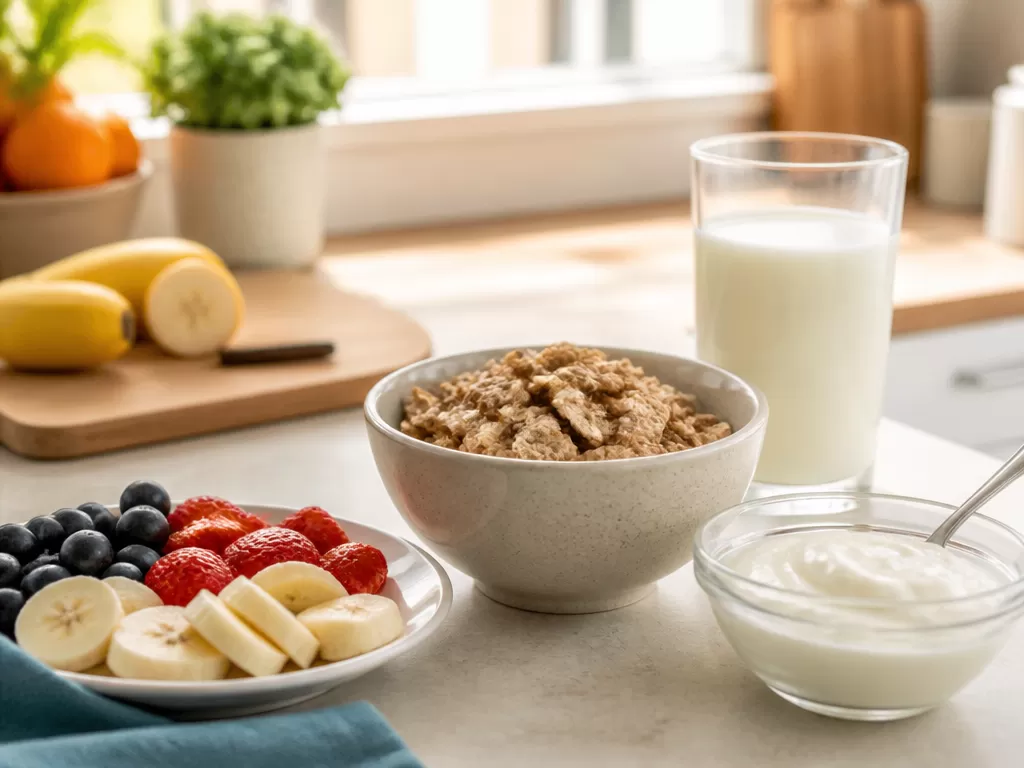
Ultra-processed options rich in whole grains, fiber, and dairy products were associated with a lower incidence of colorectal cancer.
-
The findings encourage focusing on the specific nutritional qualities of foods rather than fearing an entire broad processing label.
A nuanced perspective on nutrition and long-term health
In encouraging news for consumers navigating modern grocery aisles, an extensive study tracking more than 460,000 American adults has revealed that consuming ultra-processed foods does not automatically equate to a higher overall risk of colorectal cancer. The expansive analysis, led by researchers at the National Cancer Institute, tracked participants aged 50 to 71 for nearly 19 years, challenging blanket fears about foods classified under the ultra-processed umbrella.
Rather than judging foods purely by their degree of processing, the investigation found that nutritional content remains the decisive factor. Notably, participants who consumed ultra-processed sources of whole grains, dietary fiber, dairy products, and calcium exhibited a lower incidence of colorectal cancer. In contrast, meat from ultra-processed sources followed the opposite pattern, aligning with established dietary guidance that advises moderating processed meats.
The study also evaluated dietary substitutions, finding that swapping just 10 percent of ultra-processed food intake by weight with minimally processed alternatives correlated with a 2 percent reduction in cancer incidence. The outcome provides reassuring clarity for everyday meal planning: choosing wholesome, nutrient-dense ingredients like fiber-rich grains and calcium-rich dairy can actively support digestive health, allowing individuals to focus on balanced nourishment rather than overarching dietary anxiety.


