

Key Takeaways
-
Italian farmer Claudio Grossi sprouted decades-old seeds discovered in his attic, successfully reviving an ancient wheat variety.
-
Identified as Triticum turgidum, the hardy grain produces seven ears per stalk and boasts natural drought and weed resistance.
-
Rich in vital nutrients like iron and amino acids, the 'miracle wheat' offers promising resilience for modern, climate-friendly agriculture.
A forgotten treasure in the attic
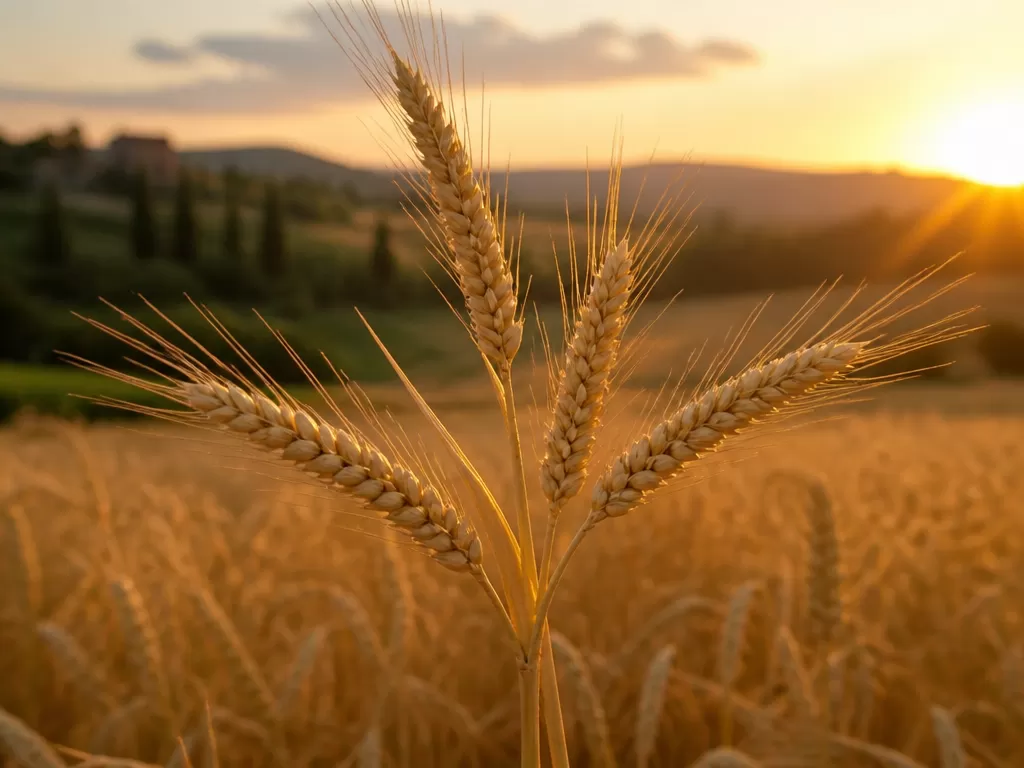
When Italian farmer Claudio Grossi stumbled upon a handful of shriveled, decades-old seeds in his attic in Parma, he had modest expectations. On a whim of curiosity, he planted the forgotten grains preserved by his great-grandfather over a century ago. To his astonishment, the seeds burst into life, shooting up into a towering, unfamiliar crop featuring a remarkable pattern: seven ears of grain clustered together on a single stalk.
Agricultural scientists later identified the unique plant as Triticum turgidum convar. compositum, an ancient variety native to the Mediterranean basin that had vanished from mainstream Italian agriculture decades earlier. Often called “grano del miracolo” (miracle wheat), the grain stands noticeably taller than commercial crops, allowing it to naturally overshadow competing weeds while demonstrating remarkable resistance to drought without demanding synthetic fertilizers.
Beyond its robust agricultural traits, the rediscovered grain offers exceptional nutritional benefits, carrying significantly higher levels of iron, phosphorus, and essential amino acids such as lysine and tryptophan. By interplanting the tall stalks with smaller grains to shield them from strong winds, Grossi has successfully turned the flour into naturally sweet breads and pastries—demonstrating how ancestral biodiversity can help fortify food systems against the growing pressures of a changing climate.