

Key Takeaways
- A historic Portuguese company generates €1 billion annually by turning sustainable cork into advanced aerospace and industrial materials.
- The natural bark is now used to create thermal heat shields for spacecraft built by NASA, SpaceX, and the European Space Agency.
- A specialized cork product successfully absorbs ocean oil spills, collecting the crude oil so it can be safely reused in other activities.
A traditional material takes flight
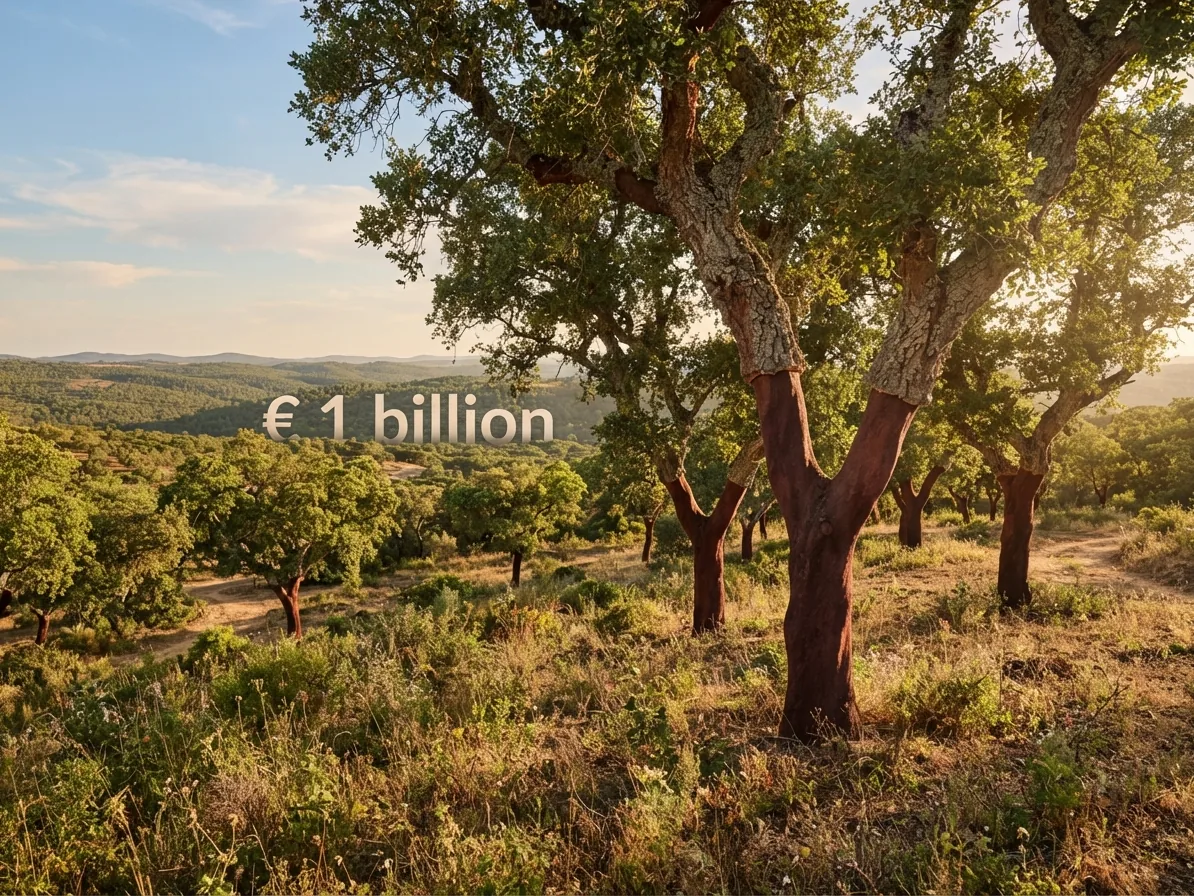
A 150-year-old business in Portugal has transformed the traditional craft of cork harvesting into a highly advanced technology industry. Corticeira Amorim, a company boasting 4,000 employees and bringing in approximately €1 billion in annual revenue, has found innovative ways to utilize the bark of the cork oak tree. Operating across a vast product range, the firm has supplied cork for river cruise ship decking and a unique cork-concrete mixture used at the Lisbon Cruise Terminal. Taking the humble material to new heights, the company has even developed thermal heat shields for the European Space Agency spacecraft, paving the way for aerospace applications by NASA, Boeing, and SpaceX.
Sustainable solutions for modern problems
Beyond aerospace, the natural properties of cork are being harnessed for significant environmental interventions. The company boasts a specialized application, explaining its environmental benefits: “Developed to mitigate hydrocarbon spills into the oceans caused by large oil tankers, CorkSorb is currently used in numerous industries where oil leaks occur,” they state. By isolating the pollutant, the natural material ensures that “Cork absorbs only the crude which can be reused later in other activities.”
Benefiting sports fields and local forests
In addition to mitigating oil spills and insulating spacecraft, cork is making a positive impact in the sports world. Tiny cork pellets, a byproduct of the manufacturing process, are repurposed as a natural filler for artificial turf. Providing excellent shock absorption, these fields reportedly see 40 percent fewer injuries compared to those using shredded rubber. This innovative turf is even utilized on the training fields of the renowned soccer club Real Madrid. All of this modern innovation relies on the historic cork oak forests in Portugal, where individual trees thrive in the hot Mediterranean climate for up to 200 years, being harvested up to nine times after reaching maturity.